

Table of Contents
Introduction: The Power of Social Media in the Digital Age
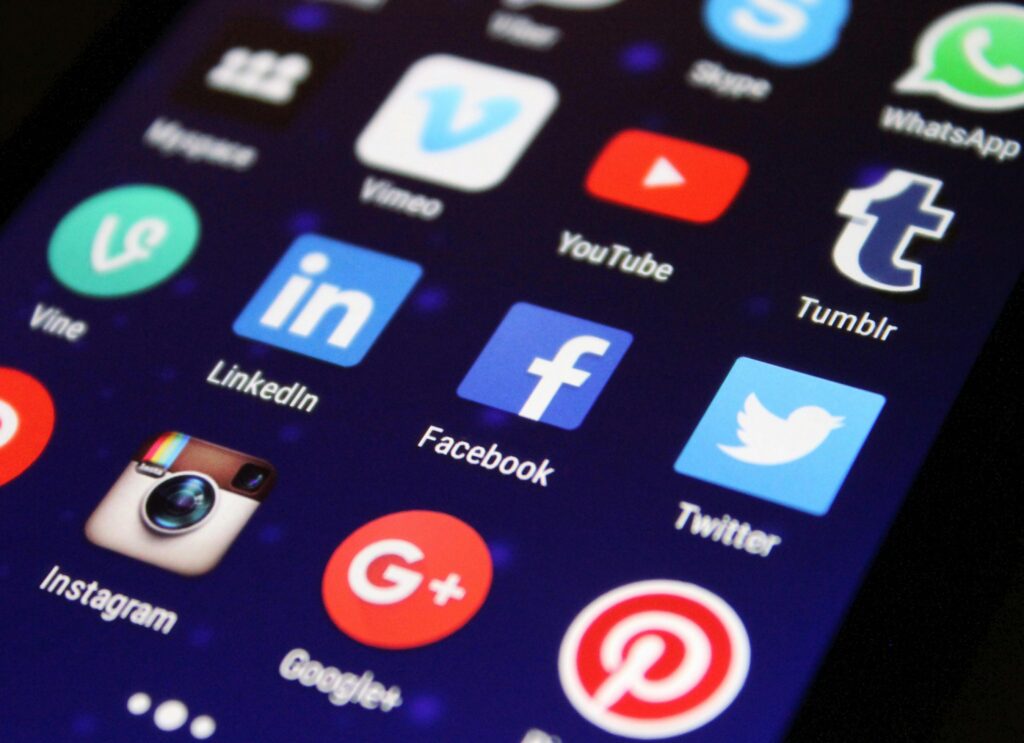
In today’s hyper-connected world, social media has become one of the most powerful tools for communication, branding, and business growth. With billions of people scrolling, posting, sharing, and engaging daily, platforms like Facebook, Instagram, TikTok, YouTube, X (Twitter), LinkedIn, and Pinterest have evolved from simple networking sites into dominant marketing engines.
Social Media Marketing (SMM) is no longer an option—it is a requirement for businesses that want to stay competitive, visible, and relevant. Whether you are a small business owner, a digital marketer, a content creator, or a corporate brand, understanding how to utilize social media strategically can unlock massive opportunities for growth, sales, and brand recognition.
This in-depth, SEO-optimized guide (3000+ words) explains everything you need to know about SMM—from core concepts and platform strategies to advanced techniques, tools, analytics, and future trends.
Let’s dive deep.

What is Social Media Marketing?
Social Media Marketing (SMM) refers to the use of social media platforms to promote products, services, brands, or content using targeted strategies. It involves creating content, running paid campaigns, building communities, engaging with users, and driving traffic, leads, and sales.
SMM focuses on:
-
Brand Awareness
-
Audience Engagement
-
Traffic Generation
-
Lead Acquisition
-
Online Reputation Building
-
Customer Support
-
Sales Growth
What makes SMM so effective is its ability to reach highly targeted audiences through precise segmentation—from age and gender to interests, behavior, and location.
Why Social Media Marketing Is Important (2025 Update)
1. Huge User Base
Social media platforms collectively have over 5 billion active users. Businesses can reach more customers here than on any other medium.
2. High Engagement Rates
People spend 2–4 hours daily on social media. Your brand can easily get attention where your audience already spends time.
3. Cost-Effective Marketing
Compared to TV, radio, or print ads, social media marketing—especially organic marketing—is far more affordable.
4. Real-Time Interaction
You can communicate directly with customers, answer questions, and build trust instantly.
5. Precision Targeting
Platforms like Facebook Ads Manager offer detailed targeting options:
-
Demographics
-
Interests
-
Behaviors
-
Custom audiences
-
Lookalike audiences
6. Measurable Analytics
Everything can be tracked—clicks, reach, impressions, engagement, conversions, cost per result, etc.
7. Supports SEO
Social signals such as shares, likes, comments, and traffic improve your brand authority and indirectly support search engine ranking.
Core Components of Social Media Marketing
To build a successful SMM strategy, you must understand its major components.
1. Content Creation
This includes:
-
Images
-
Videos
-
Reels
-
Stories
-
Infographics
-
Carousels
-
GIFs
-
Articles
-
Memes
-
Short-form content
High-quality content drives visibility and engagement.
2. Content Strategy
A solid SMM strategy includes:
-
Target audience analysis
-
Competitor research
-
Brand voice development
-
Posting frequency
-
Platform selection
-
Content calendar planning
3. Paid Advertising
Paid campaigns can rapidly boost reach and conversions:
-
Facebook Ads
-
Instagram Ads
-
TikTok Ads
-
YouTube Ads
-
LinkedIn Ads
4. Community Building
A loyal community increases engagement, brand trust, and repeat customers.
5. Influencer Marketing
Partnering with influencers helps brands reach established audiences quickly.
6. Analytics & Optimization
Using insights to refine strategy and improve results is vital for long-term success.
Benefits of Social Media Marketing
1. Enhanced Brand Awareness
Posting consistently keeps your brand visible daily.
2. Increased Website Traffic
Social media is a powerful source of referral traffic if used strategically.
3. Lead Generation
Lead ads, landing pages, and targeted campaigns generate high-quality prospects.
4. Stronger Customer Relationships
Community engagement builds trust and makes customers feel valued.
5. Higher Conversion & Sales
Good content + paid ads = massive conversion potential.
6. Competitive Advantage
A strong SMM strategy helps your brand outperform others in your industry.
Types of Social Media Platforms
Every platform requires different strategies.
1. Facebook Marketing
Facebook remains a giant with billions of active users.
Key Strategies:
-
Create a professional business page
-
Post engaging content daily
-
Use Facebook Reels
-
Join and create groups
-
Run targeted ad campaigns
-
Use Messenger for lead nurturing
Why Facebook Works:
-
Diverse audience
-
Strong ad platform
-
Best for local businesses
-
Excellent remarketing tools
2. Instagram Marketing
Instagram is a visual platform ideal for brands, influencers, and ecommerce.
Key Features:
-
Reels
-
Stories
-
Carousel posts
-
Hashtags
-
Shopping features
-
Direct messaging
Growth Tips:
-
Post 1–2 Reels daily
-
Use trending audio
-
Use 15–25 niche hashtags
-
Collaborate with influencers

social media marketing
3. TikTok Marketing
TikTok dominates short-form entertainment content.
Why TikTok Works:
-
Fastest-growing platform
-
High virality rate
-
Short videos get massive reach
-
Great for young audiences
Strategies:
-
Post original content
-
Participate in trends
-
Use TikTok Ads
-
Collaborate with TikTok creators
4. YouTube Marketing
YouTube is the second largest search engine after Google.
Content Types:
-
Tutorials
-
Reviews
-
Shorts
-
Vlogs
-
Product demos
Growth Tips:
-
Optimize titles & thumbnails
-
Create long-form valuable content
-
Use YouTube Shorts for reach
-
Maintain consistency
5. X (Twitter) Marketing
X (formerly Twitter) is best for real-time conversations.
Strategies:
-
Tweet consistently
-
Use trending hashtags
-
Share insights and opinions
-
Build a personal brand
-
Engage with influencers
6. LinkedIn Marketing
LinkedIn is ideal for B2B marketing, professionals, and corporate brands.
Strategies:
-
Publish thought leadership posts
-
Build a professional network
-
Run LinkedIn Ads
-
Use LinkedIn Articles
social media marketing
7. Pinterest Marketing
Pinterest is excellent for niches such as:
-
Fashion
-
Recipes
-
Interior design
-
Travel
-
DIY
Use high-quality pins, SEO-optimized descriptions, and Pinterest boards.
Social Media Content Strategy (Step-by-Step)
1. Define Your Goals
Your goal may be:
-
Brand awareness
-
Followers growth
-
Sales
-
Engagement
-
Website traffic
2. Understand Your Audience
Analyze:
-
Age
-
Interests
-
Buying behavior
-
Preferred content type
3. Choose Platforms Wisely
Don’t try to be active everywhere. Choose platforms where your audience spends time.
4. Create a Content Calendar
Plan:
-
Daily posting schedule
-
Themes
-
Hashtags
-
Reels ideas
-
Promotional content
5. Use the 80/20 Rule
-
80% value content
-
20% promotional content
6. Use Engaging Visuals
Eye-catching visuals increase clicks and shares.
7. Implement Hashtag Strategy
Hashtags improve reach, especially on Instagram and TikTok.
Social Media Advertising (Paid Marketing Explained)
Paid advertising is crucial for faster growth.
1. Facebook & Instagram Ads
Best for ecommerce and lead generation.
Ad Types:
-
Image ads
-
Video ads
-
Carousel ads
-
Retargeting ads
2. TikTok Ads
Best for viral reach and brand visibility.
3. YouTube Ads
Great for:
-
Brand awareness
-
Tutorials
-
Product promotions
4. LinkedIn Ads
Ideal for B2B lead generation.
How to Use Influencer Marketing
1. Identify Relevant Influencers
Look for:
-
High engagement
-
Niche relevance
-
Authentic followers
2. Choose the Right Type of Influencer
-
Nano influencers (1k–10k followers)
-
Micro influencers (10k–100k)
-
Macro influencers (100k–1M)
-
Mega influencers (1M+)
3. Collaboration Types
-
Paid promotion
-
Product gifting
-
Long-term partnerships
4. Track Performance
Use:
-
Unique coupon codes
-
Referral links
-
Campaign analytics
Social Media Management Tools (2025 Edition)
Best Tools:
-
Buffer – scheduling
-
Hootsuite – analytics & scheduling
-
Canva – graphic design
-
Meta Business Suite – Facebook/Instagram management
-
SocialBee – content recycling
-
Sprout Social – advanced analytics
-
Later – Instagram scheduling
Social Media Metrics to Track
1. Engagement Rate
Likes, comments, shares, saves.
2. Reach & Impressions
How many people saw your content.
3. Click-Through Rate (CTR)
Shows effectiveness of CTAs.
4. Conversion Rate
Sales, leads, or desired actions.
5. Follower Growth Rate
Measure audience expansion.
Common Social Media Marketing Mistakes to Avoid
-
Inconsistent posting
-
Ignoring analytics
-
Posting low-quality visuals
-
Buying followers
-
Overusing hashtags
-
Lack of audience engagement
-
No defined strategy
-
Ignoring negative feedback
Future Trends in Social Media Marketing (2025 and Beyond)
1. AI-Powered Content Creation
AI tools simplify:
-
Video editing
-
Caption writing
-
Hashtag suggestions
2. Social Commerce
Buy directly from:
-
Instagram Shop
-
TikTok Shop
-
Facebook Marketplace
3. Short-Form Video Dominance
Reels, Shorts, TikTok continue rising.
4. AR & VR Shopping Experiences
Virtual try-ons will increase sales.
5. Voice Search Optimization
Users will search using voice assistants.
6. Subscription-Based Content
Exclusive fan content will expand.
Social Media Marketing Tips for Beginners
-
Start with 1–2 platforms
-
Post daily or at least 4 times/week
-
Use high-quality images and videos
-
Follow trends
-
Use analytics to improve
-
Engage with followers
-
Use storytelling
-
Follow competitors’ strategies
Advanced Social Media Strategies
1. Retargeting Campaigns
Reach users who already interacted with your brand.
2. Lookalike Audiences
Target users similar to your existing customers.
3. Chatbots & Automation
Use AI to automate:
-
Customer support
-
Lead responses
4. UGC (User-Generated Content)
Encourage users to create content about your brand.
Top Pros of Social Media Marketing (500 Words)
Social media marketing has become one of the most powerful and essential tools for modern businesses. Whether you are a small local business, an online startup, or a global brand, social media platforms offer endless opportunities to reach, influence, and convert your target audience. Here are the top advantages of social media marketing explained in detail.
1. Increases Brand Awareness
One of the biggest pros of social media marketing is its ability to dramatically increase brand visibility. Platforms like Facebook, Instagram, TikTok, YouTube, X (Twitter), and LinkedIn allow businesses to showcase their products and services to millions of people. Even a single viral post or Reel can expose your brand to thousands of new potential customers. With consistent posting and engaging content, your brand becomes easily recognizable and memorable.
2. Highly Cost-Effective
Compared to traditional marketing methods such as television ads, print media, and billboards, social media marketing is extremely affordable. Creating a business page is free on most platforms, and organic content can help you grow without spending money. Even paid advertising on social media is cheaper than traditional advertising and offers far better targeting options. This makes social media marketing perfect for startups and small businesses with limited budgets.
3. Direct Customer Engagement
Social media allows businesses to interact directly with customers in real-time. You can answer questions, respond to feedback, solve problems, and build stronger relationships. This personal connection helps increase customer trust and loyalty. People love brands that communicate, listen, and engage. Whether through comments, polls, stories, or DMs, engagement creates a sense of community around your brand.
4. Precise Targeting Options
Social media advertising platforms offer incredibly advanced targeting tools. You can reach audiences based on demographics, interests, buying behavior, location, and even online activity. Platforms like Facebook Ads Manager allow you to create custom audiences and lookalike audiences, ensuring your ads are shown to people who are most likely to convert. This level of precision makes social media marketing extremely powerful for lead generation and sales.
5. Drives High-Quality Traffic & Leads
Social media platforms are excellent sources of quality traffic to your website, blog, product pages, and landing pages. When your content resonates with users, they click through to learn more about your brand. Whether you share blog posts, product updates, offers, or videos, social media helps bring a steady stream of visitors who are genuinely interested in what you offer.
6. Real-Time Analytics & Insights
Social media marketing provides immediate performance data. Businesses can track reach, impressions, clicks, engagement, conversions, follower growth, and more. These insights help marketers understand what works and what doesn’t, allowing them to optimize strategy instantly. This real-time feedback loop makes social media smarter, faster, and more effective than traditional marketing.
7. Helps Build Brand Authority
Consistently sharing valuable content, expert insights, tutorials, or behind-the-scenes stories helps establish your business as an authority in your industry. When customers trust your brand, they are more likely to choose your products or services over competitors.
Pros of Social Media Marketing
In today’s digital era, social media marketing (SMM) has become a cornerstone for businesses aiming to reach, engage, and convert their target audience. Platforms such as Facebook, Instagram, Twitter, LinkedIn, TikTok, and YouTube provide businesses with unparalleled opportunities to connect with millions of users worldwide. Unlike traditional marketing, social media marketing allows for real-time engagement, targeted communication, and measurable results. Here’s an in-depth look at the advantages of social media marketing and why it has become indispensable for businesses of all sizes.
1. Increased Brand Awareness
One of the primary benefits of social media marketing is its ability to enhance brand awareness. By maintaining an active presence on popular social media platforms, businesses can reach a larger audience than ever before. Consistently posting high-quality content, engaging visuals, and relevant updates helps brands remain visible to current and potential customers. Social media allows for virality—content shared by users can exponentially increase reach, often at no extra cost. This increased exposure not only builds brand recognition but also establishes credibility in the market.
2. Targeted Audience Reach
Social media platforms provide advanced targeting features that allow businesses to reach highly specific audience segments. Advertisers can target users based on demographics, location, interests, behaviors, and even device usage. For example, a fitness brand can target people aged 18–35 who have shown interest in exercise and healthy living. This precision ensures that marketing efforts are directed toward individuals most likely to engage with the brand, reducing wasted resources and increasing the chances of conversions.
3. Cost-Effectiveness
Compared to traditional advertising channels such as television, radio, or print, social media marketing is highly cost-effective. Setting up a business profile is free, and paid promotions, like sponsored posts or targeted ads, can be tailored to suit any budget. Small and medium-sized businesses benefit significantly, as they can compete with larger companies by strategically targeting specific audiences and generating high ROI with relatively low investment. Furthermore, campaigns can be scaled up or down in real-time based on performance.
4. Enhanced Customer Engagement
Social media platforms enable direct interaction between brands and consumers. Businesses can respond to queries, address complaints, and engage with followers through comments, messages, or live sessions. This two-way communication strengthens relationships, fosters loyalty, and builds trust. Engaging with customers in real-time allows brands to humanize themselves and showcase their commitment to customer satisfaction, which is often more impactful than traditional one-way marketing methods.
5. Improved Brand Loyalty
Consistent interaction on social media contributes to stronger brand loyalty. Engaged followers are more likely to become repeat customers and advocates for the brand. Sharing valuable content, celebrating milestones, and responding promptly to customer feedback makes consumers feel valued. This emotional connection encourages long-term relationships and positive word-of-mouth, which can significantly influence purchasing decisions and overall brand perception.
6. Access to Valuable Consumer Insights
Social media platforms provide an abundance of data and analytics that help businesses understand their audience better. Metrics such as likes, shares, comments, click-through rates, and impressions allow marketers to gauge the effectiveness of campaigns. Insights into audience behavior, preferences, and engagement patterns enable businesses to create more targeted, relevant, and effective marketing strategies. These data-driven decisions improve performance and ensure that resources are used efficiently.
7. Increased Website Traffic and SEO Benefits
Social media marketing drives traffic to websites through shared content, ads, and call-to-action buttons. By directing followers to blogs, landing pages, or product pages, businesses increase the likelihood of conversions. Additionally, an active social media presence indirectly benefits search engine optimization (SEO). Social signals, such as likes, shares, and comments, indicate brand popularity and credibility, which can positively impact search engine rankings.
8. Ability to Target Mobile Users
With the growing use of smartphones, social media marketing allows brands to reach mobile users effectively. Platforms like Instagram, TikTok, and Facebook are predominantly mobile-based, ensuring that marketing messages reach users on-the-go. Mobile targeting enhances convenience, engagement, and user experience, as users can interact with content, make purchases, or share posts instantly from their devices.
9. Real-Time Performance Tracking
Social media marketing campaigns offer real-time tracking of performance metrics. Platforms provide analytics dashboards that display engagement rates, impressions, clicks, conversions, and audience demographics. This immediate feedback allows marketers to adjust campaigns, test different approaches, and optimize content for better results. Unlike traditional marketing methods, which may take weeks or months to measure effectiveness, social media offers instant insights and actionable data.
10. Opportunities for Viral Marketing
Social media enables the potential for viral marketing, where content spreads rapidly through shares, likes, and user-generated participation. Viral campaigns can dramatically increase brand exposure without additional costs. Creative, entertaining, or emotionally compelling content has the power to reach millions of people in a short period, often surpassing the reach of paid advertising campaigns. Viral success can result in higher brand recognition and increased sales opportunities.
11. Flexibility and Adaptability
Social media marketing allows for high flexibility in terms of campaign design and implementation. Businesses can experiment with various content formats, including videos, images, polls, stories, reels, live sessions, and infographics. Platforms are constantly evolving with new features, enabling brands to adapt strategies, engage audiences creatively, and stay relevant. This adaptability ensures marketing efforts remain effective in an ever-changing digital environment.
12. Competitive Advantage
Companies that effectively leverage social media marketing gain a competitive advantage over businesses that do not. By building a strong online presence, engaging audiences, and monitoring competitor activity, businesses can identify trends, fill market gaps, and innovate in their marketing strategies. Social media provides insights into competitors’ strengths and weaknesses, enabling proactive decision-making and strategic planning.
13. Boosts Brand Authority and Credibility
Regular posting, engaging content, and responsive interactions on social media enhance brand authority. Brands that consistently provide valuable information, industry insights, and quality content establish themselves as thought leaders in their niche. This credibility not only attracts new customers but also retains existing ones, as users are more likely to trust brands with a strong online presence.

Social Media Marketing
14. Supports Lead Generation and Sales
Social media marketing is a powerful tool for lead generation and sales conversion. Features like social commerce, targeted ads, and interactive campaigns allow businesses to guide potential customers through the sales funnel. Lead generation forms, call-to-action buttons, and retargeting campaigns ensure that interested users are converted into paying customers, improving overall ROI.
Social media marketing offers an array of benefits that make it indispensable in modern business strategies. From increasing brand awareness and loyalty to driving website traffic and generating leads, the advantages of SMM are extensive. The ability to target specific audiences, engage with consumers in real-time, and access valuable insights empowers businesses to optimize campaigns and achieve measurable results.
While social media marketing requires strategic planning, consistency, and creativity, the rewards far outweigh the challenges. Businesses that effectively leverage social media can build strong relationships with their audience, enhance brand credibility, and achieve long-term growth in today’s competitive digital landscape.
Conclusion: Why Social Media Marketing Is Essential for Every Business
Social media marketing is one of the most powerful and cost-effective marketing strategies available today. It helps businesses grow faster, reach targeted audiences, increase revenue, and build long-lasting relationships with customers. Whether you are a beginner or an expert, adopting the right SMM strategies can transform your brand’s online presence.
In 2025 and beyond, social media will continue to evolve, offering new tools, features, and opportunities. Staying updated, being consistent, and adapting to trends will ensure your business stays ahead of competitors.